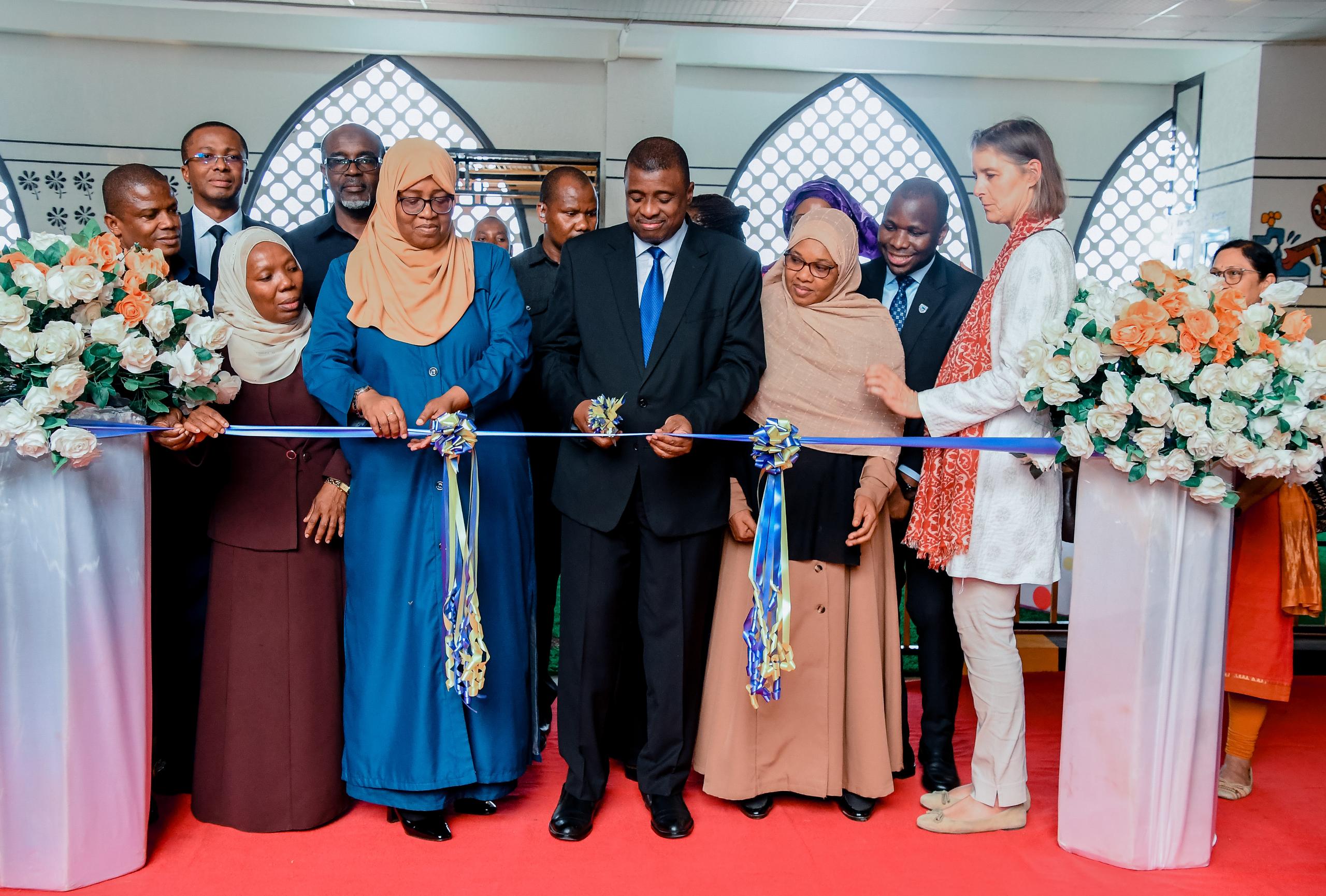

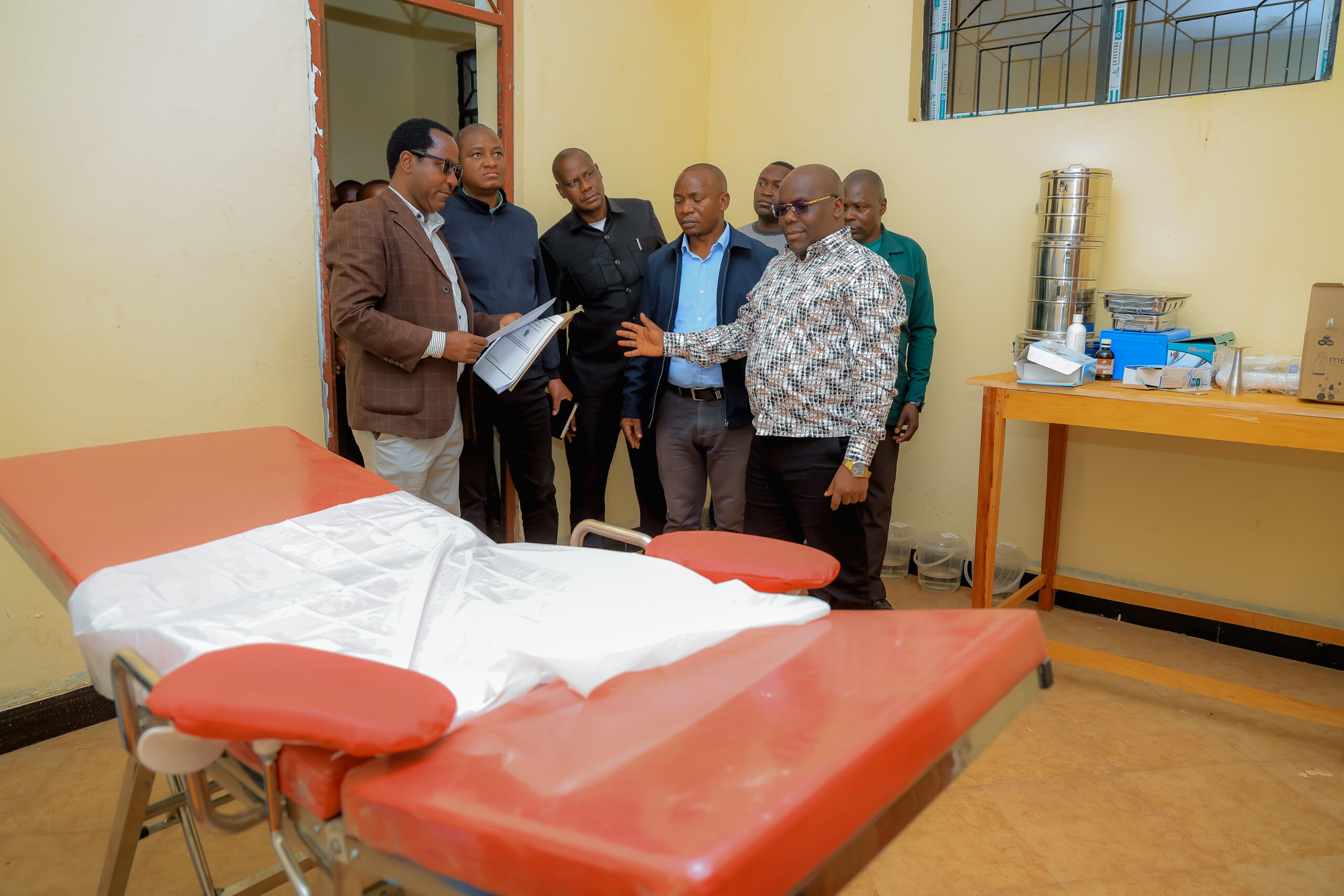
RESIDENTS in Ng’ongo village, Sumbawanga District, Rukwa Region, have witnessed a significant improvement in primary healthcare delivery following the official inauguration of the newly constructed Ng’ongo dispensary.
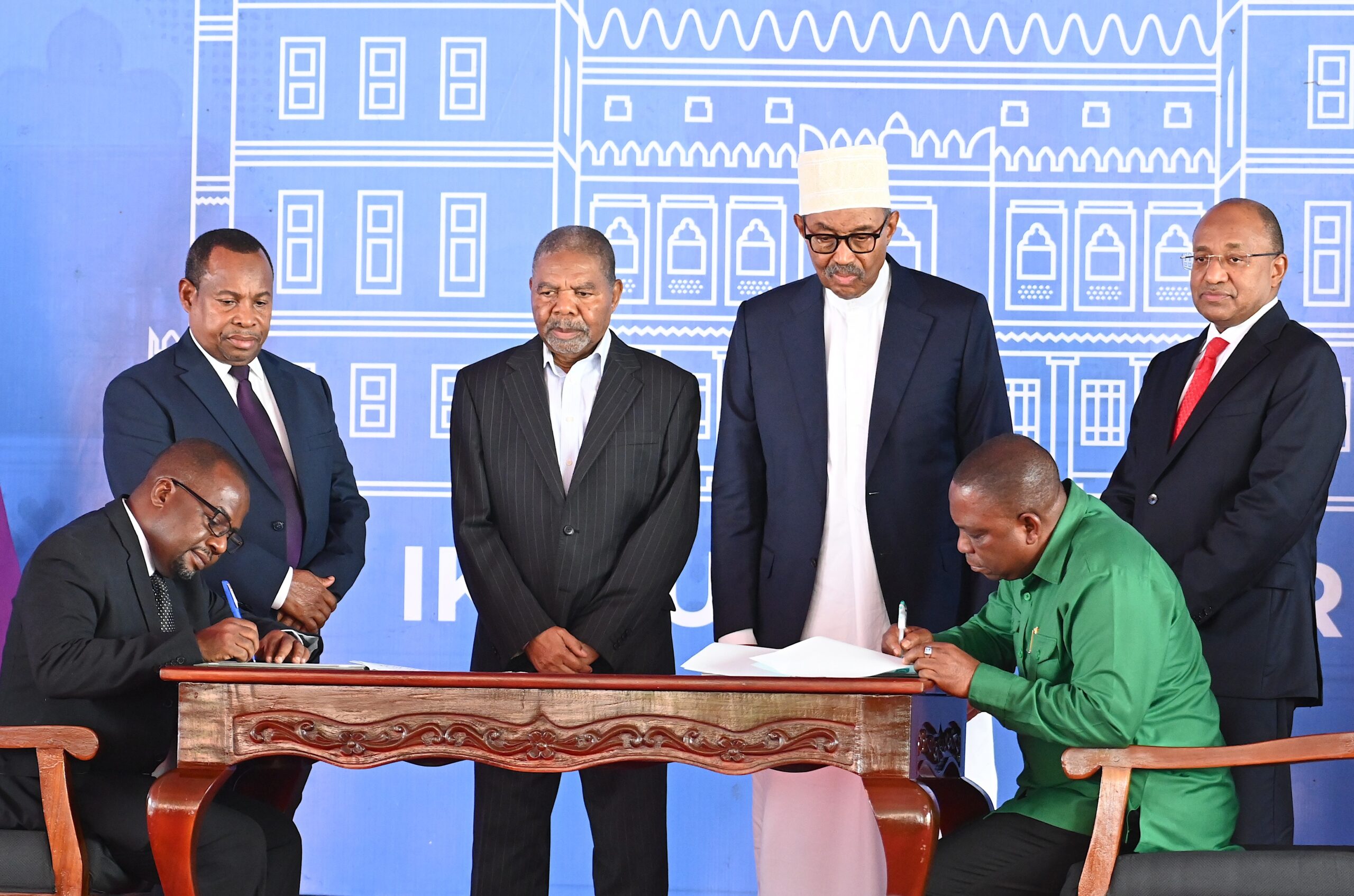
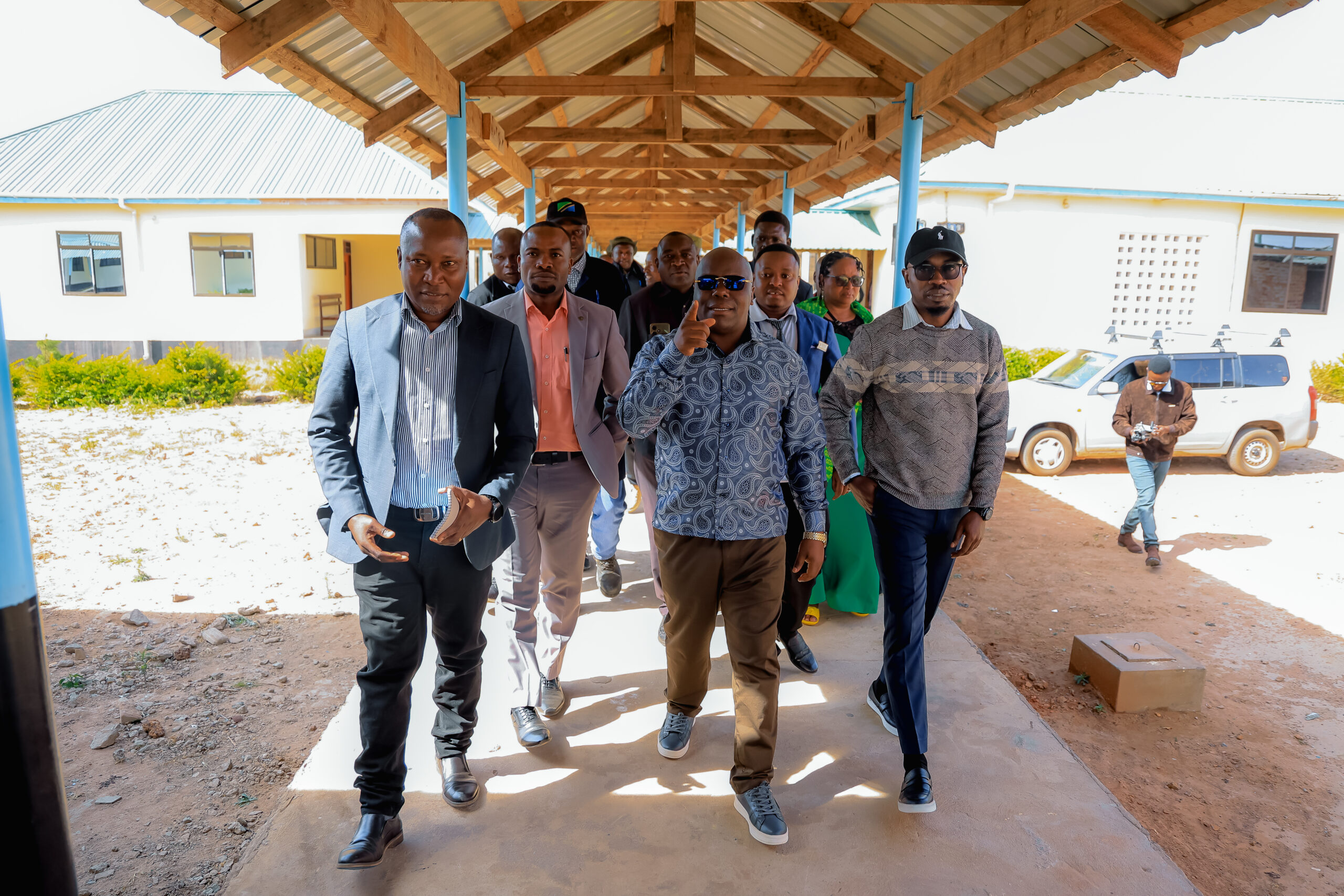
The essential health facility was officially opened by the Minister for Constitution and Legal Affairs, Dr. Juma Homera, during his strategic tour of development projects across the Rukwa Region. Dr. Homera laid the foundation stone for the dispensary, whose total construction cost amounted to 265 million shillings.
Addressing a public gathering at the launch event, Dr. Homera stated that the completion of the dispensary directly aligns with the targets of the National Health Policy and the ruling party’s election manifesto. Both frameworks prioritize establishing a functional healthcare facility in every village to bring primary medical services closer to rural communities.
He emphasized that the Sixth Phase Government under President Samia Suluhu Hassan remains deeply committed to investing in public health infrastructure. These capital investments are specifically designed to reduce the long distances patients travel to seek treatment, while simultaneously upgrading the quality of diagnostic and maternal care.
Local residents welcomed the project, noting that the dispensary has immediately eased the logistical burden of traveling long distances for basic care—a challenge that historically placed pregnant women, infants, and emergency patients at high risk.
“We used to walk long distances just to access medical care, but now quality services are available right within our community. We thank the government for responding to our long-standing needs,” one resident remarked.
The dispensary has already demonstrated its vital role in the district’s healthcare network. Since it began clinical operations in November 2025, the facility has treated 8,550 patients, underscoring its immediate impact on community welfare and rural disease management.
The successful completion of the Ng’ongo Dispensary is part of a broader, ongoing state-funded initiative to strengthen peripheral healthcare systems and ensure universal health access for all rural Tanzanians.