

In Tanzania, lawyers, political analysts, and veteran politician Joseph Warioba Butiku, who advised three previous Tanzanian presidents, have welcomed the new inquiry into the violence surrounding the general elections on Wednesday, October 29, 2025. Their support centers primarily on facts, accountability, and a credible process. President Samia Suluhu Hassan installed the six-member investigative commission on Friday, August 7, 2026. The commission is led by Judge Shabani Ally Lila of the Court of Appeals and has five months to investigate individuals who may have committed criminal offenses or violated the law before, during, or after the elections. Subsequently, it must recommend possible measures.
From political claims to evidence
For the legal experts, analysts, and political figures involved, the importance of the investigation lies partly in the possibility of diverting the national debate away from contradictory political claims. An assessment based on evidence must clarify who bears responsibility for the violence. To this end, the commission must gather facts, investigate possible violations of the law, and determine against whom measures can be recommended.
Joseph Warioba Butiku wants the facts first
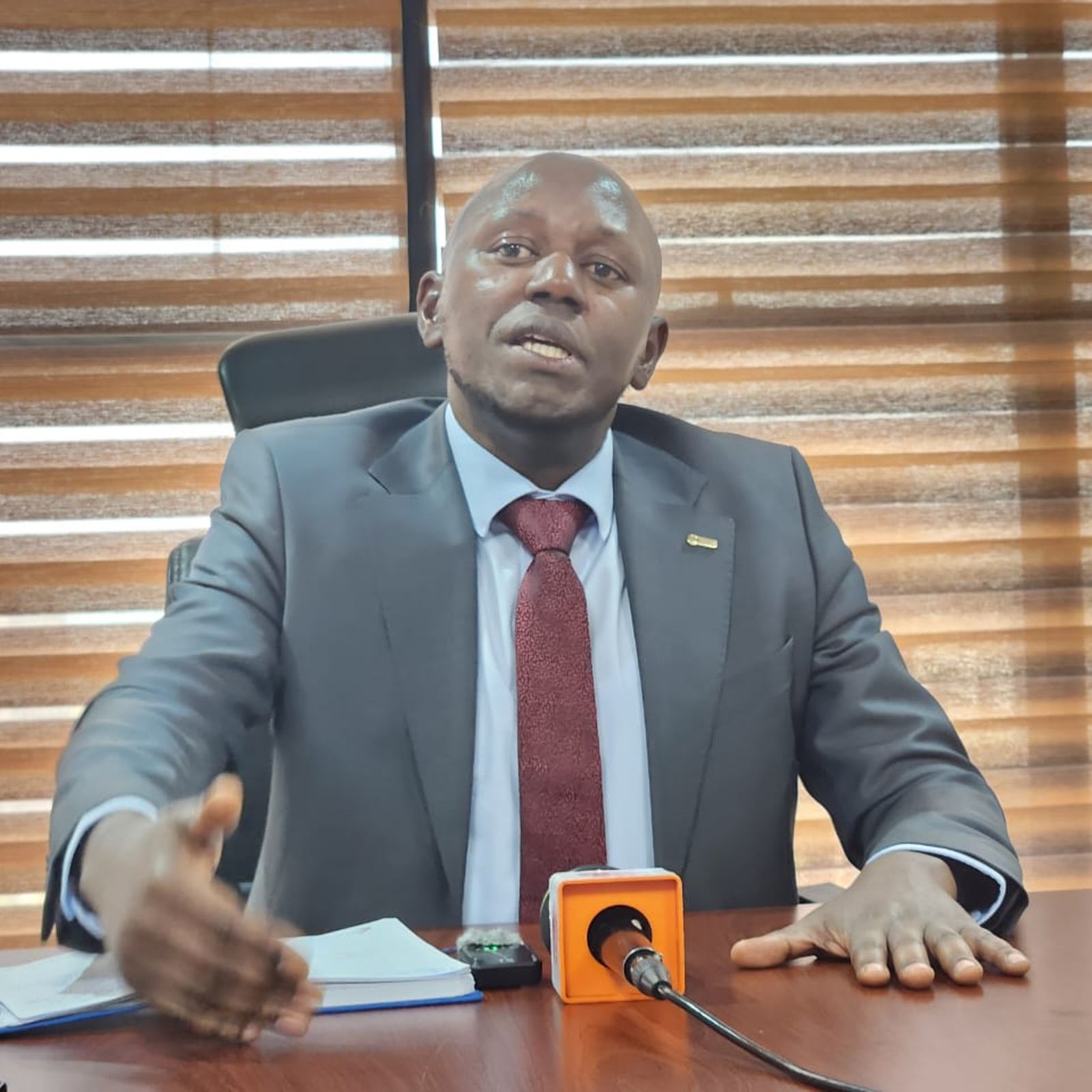
Joseph Warioba Butiku, Chairman of the Board of Trustees of the Mwalimu Nyerere Foundation, said during a conversation with journalists in Dar es Salaam that Tanzania cannot resolve the conflict over the violence of October without first establishing the facts. The central question is who caused the violence. Joseph Warioba Butiku pointed out that the president, himself, and other Tanzanians cannot know the answer as long as the investigation has not been conducted. Therefore, he believes that the commission must be allowed to do its work before the result is evaluated. As with the first commission, he advises accepting its establishment, temporarily halting the excessive talking, and awaiting the results. According to him, the findings can provide the factual basis for decisions regarding the path Tanzania must take following the violence.
Legal and constitutional basis
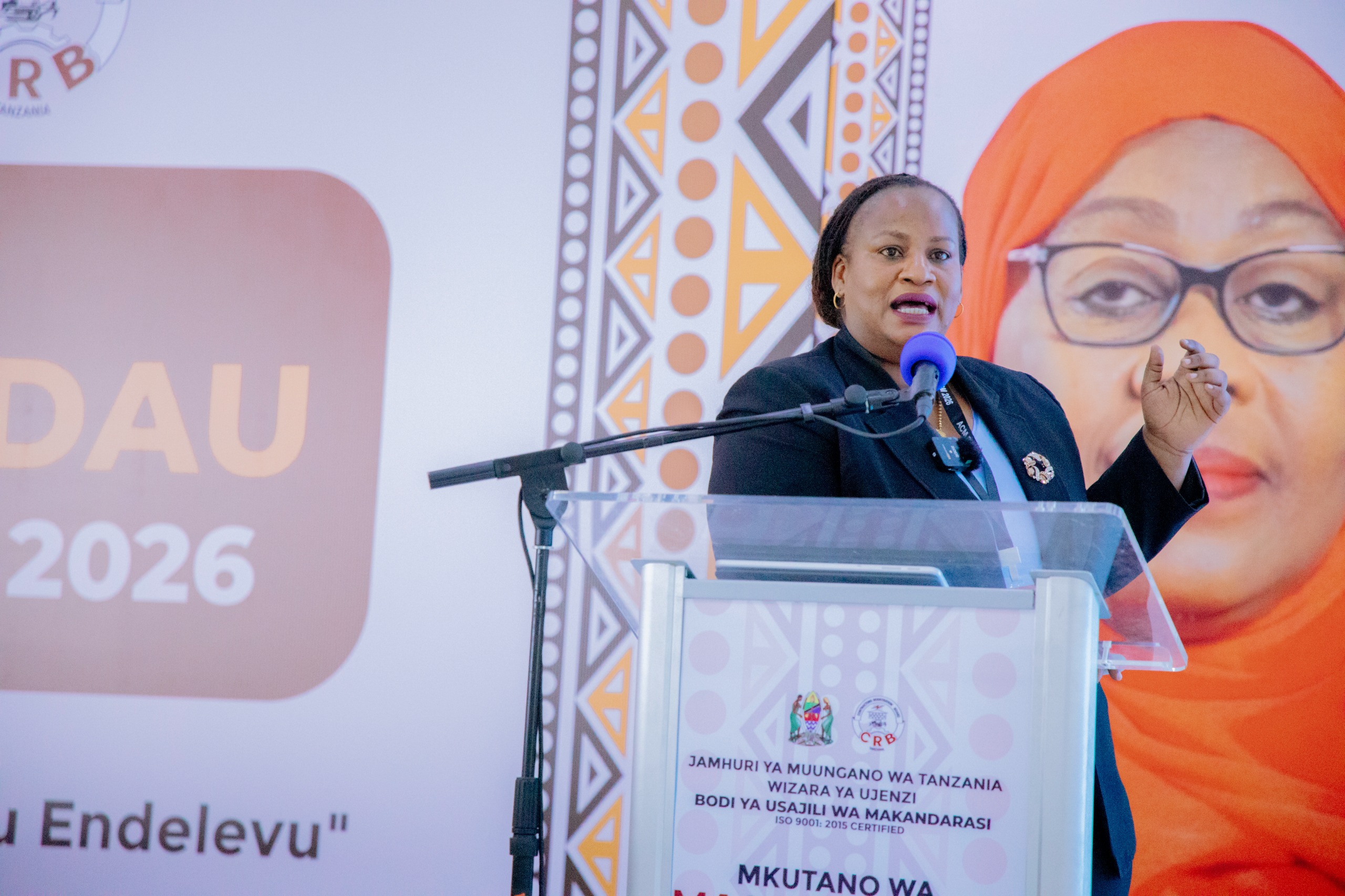
Attorney Sweetbert Nkuba stated that the Lila Commission was established within Tanzania’s constitutional and legal framework. In his opinion, there is no reason to doubt its legal legitimacy. Chapter 32 of the Commissions of Inquiry Act provides the legal basis upon which the President may establish a commission to investigate a matter of a public nature when deemed desirable, necessary, or in the public interest. The Act also governs the appointment of commission members and the determination of the subject matter and method of the investigation. Sweetbert Nkuba therefore believes that the commission should be judged on the work it produces, rather than on assumptions regarding the reason for its establishment.
Six judges from three countries
In addition to Chairperson Shabani Ally Lila, the committee consists of retired judges Gad John Mjemmas, Awadh Mohamed Bawazir, and Aishieli Nelson Sumari. Two senior foreign judges also participate: Namibian Deputy Chief Justice Petrus Tileinge Damaseb and Judge Cheborion Barishaki of the Ugandan Court of Appeal. Due to this composition, the committee possesses Tanzanian legal expertise and judicial experience from other legal systems.
Foreign experience must support trust
Mwanza-based lawyer Steven Kaswahili expects that the participation of judges from Uganda and Namibia can support public confidence. They bring insights from outside Tanzania to an investigation that must assess highly sensitive allegations. According to Steven Kaswahili, their presence is particularly relevant due to the nature of those allegations and the need to establish the facts without influence from local interests. The foreign participation also gives the commission access to judicial experience from various legal environments. Petrus Tileinge Damaseb is Deputy Chief Justice of Namibia and President of the High Court. Cheborion Barishaki sits on the Ugandan Court of Appeal and on the Appellate Division of the East African Court of Justice.
Different backgrounds to the assessment of evidence
Political analyst Salbinus David of the University of Dar es Salaam believes that diverse professional backgrounds can strengthen the assessment of evidence. A committee investigating events surrounding the 2025 elections could benefit from members with different professional and jurisdictional backgrounds. That diversity can help to test evidence, critically examine assumptions, and assess the case from various perspectives.
Independence and resources remain the determining factors.
Political analyst Professor Makame Ali Ussi of the State University of Zanzibar warns that the composition of the commission will only gain meaning when the members receive sufficient independence, space, and resources. The commission members must be able to examine the evidence objectively and draw their own conclusions. The Tanzanian leadership of the commission remains important to Makame Ali Ussi because the investigation concerns events within Tanzania. The fact that a Tanzanian judge of the Court of Appeal chairs the committee and that other Tanzanian judges participate guarantees domestic legal expertise. The foreign judges supplement this knowledge and do not replace it. In this way, both local knowledge and external judicial experience can contribute to the investigation.

No repeat of the Chande Commission
Arusha-based lawyer Martha Serengi believes that the new investigation should not be viewed as a repetition of the work of the previous commission. The Chande Commission investigated the causes and consequences of the violence and formulated recommendations. The Lila Commission has a more specific mandate: to investigate possible criminal acts and establish responsibility. The previous commission was chaired by retired Chief Justice Mohamed Chande Othman. It reported that 518 people were killed during the violence surrounding the elections and that thousands of others were injured. In doing so, it compiled a factual dossier on the extent and consequences of the unrest. The new commission must now investigate possible criminal behavior and identify individuals who may be involved. That difference explains why those involved view the new investigation as a further phase rather than a repetition.
Investigation into instigators, participants, and financiers
Samia Suluhu Hassan stated that the new commission must delve deeper into the events. Judges from Namibia and Uganda were brought in to provide a broader perspective. The mandate is to determine precisely who incited the violence, who participated in it, and who provided funds to enable the events in Tanzania. Samia Suluhu Hassan called upon all Tanzanians to provide the cooperation the commission requires. She also asked that the investigation not be obstructed. Joseph Warioba Butiku, in turn, called for restraint. According to him, political actors and citizens should not draw conclusions before the commission has delivered its findings.
Five months to establish responsibility
For the lawyers, the legal basis and the judicial structure provide the necessary framework. For the political analysts, credibility will depend on independence, evidence, available resources, and a variety of professional experience. For Joseph Warioba Butiku, the main requirement remains simpler: Tanzania needs facts. The commission is given five months to carry out its mandate. Samia Suluhu Hassan has indicated that an extension can be assessed later if the commission members request additional time. The support of the Tanzanian stakeholders is thus accompanied by a clear expectation: the commission must be able to thoroughly examine the evidence, establish responsibility where the facts allow, and provide a credible factual basis for the measures that may subsequently be taken.
New Tanzanian commission of inquiry focuses on instigators, participants, and financiers
Tanzania has established a new six-member commission to investigate possible criminal offenses surrounding the general elections of October 29, 2025. The previous commission, led by retired Chief Justice Mohamed Chande Othman, reported 518 deaths and thousands of injuries. The new commission, led by Judge Shabani Ally Lila, must now investigate who incited the violence, participated in it, or provided funding for it. Retired judges Gad John Mjemmas, Awadh Mohamed Bawazir, and Aishieli Nelson Sumari are also part of it, alongside Petrus Tileinge Damaseb from Namibia and Cheborion Barishaki from Uganda. President Samia Suluhu Hassan has given them five months, with the possibility of additional time if requested. Joseph Warioba Butiku, an experienced politician, advisor to three previous presidents, and chairman of the Board of Trustees of the Mwalimu Nyerere Foundation, asks Tanzanians to wait for the facts to be established first. Attorney Sweetbert Nkuba points to the legal and constitutional basis of the commission. Attorney Steven Kaswahili sees the foreign judges as a potential strengthening of public trust. Salbinus David of the University of Dar es Salaam points out the utility of diverse professional and jurisdictional backgrounds. Professor Makame Ali Ussi of the State University of Zanzibar clarifies that independence, space, and resources remain necessary. Attorney Martha Serengi explains that this commission is not repeating the previous investigation, but must investigate possible criminal acts and personal responsibility. Samia Suluhu Hassan asks the population to cooperate and not to obstruct the investigation. The legal basis exists. The mandate is clear. Now it remains to be seen whether the commission can determine, based on evidence, who bears responsibility for the deadly election violence.
Andy Vermaut +32499357495