
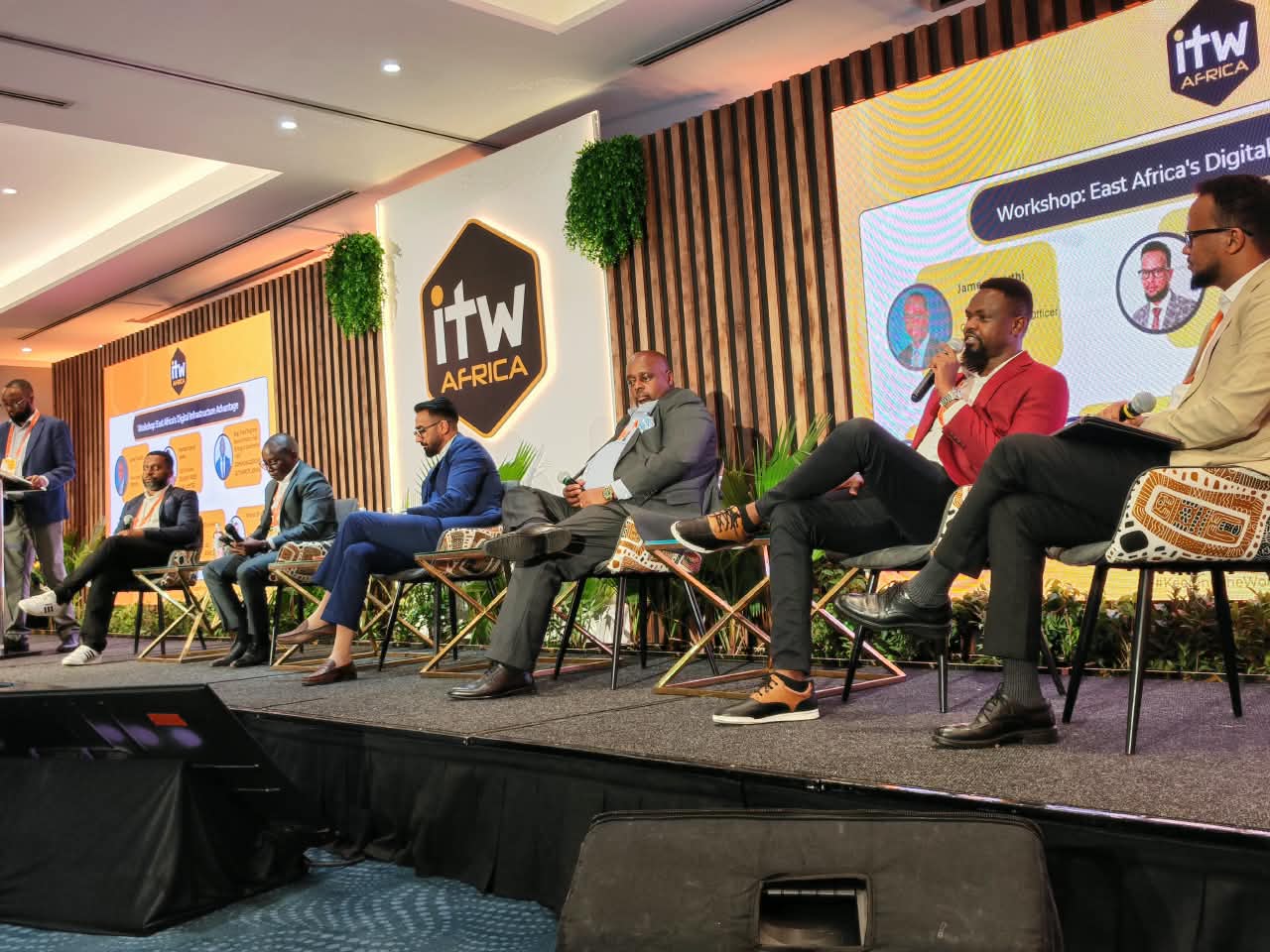
Nairobi, Kenya: Africa’s next phase of digital transformation will require more than expanding connectivity, with stronger fibre networks, data centres, cloud infrastructure, reliable energy and an enabling investment environment needed to support the continent’s growing digital economy.
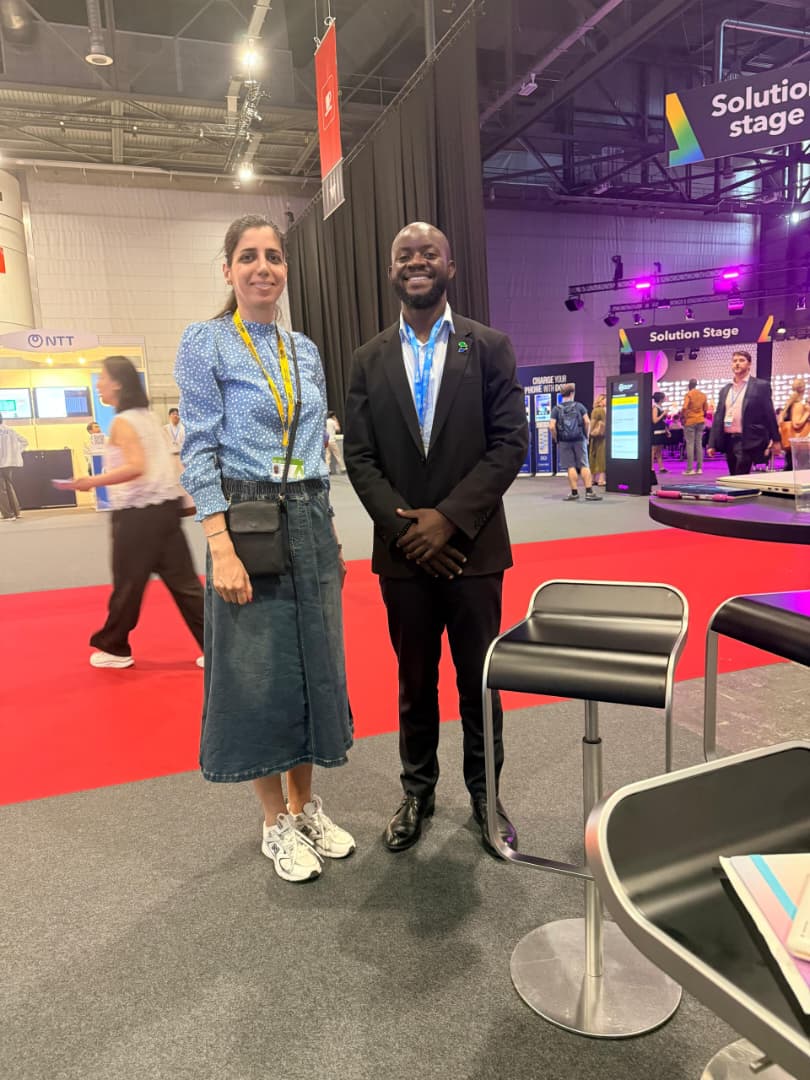
This was among the key messages emerging from ITW & Datacloud Africa 2026, held from September 7 to 10 in Nairobi, Kenya, bringing together stakeholders from across the digital infrastructure and technology ecosystem to discuss connectivity, data centres, cloud, artificial intelligence (AI), investment, energy, sustainability and regulation.
Against this backdrop, Vodacom Tanzania used the forum to emphasise that Africa’s digital transformation must move beyond connectivity towards a more integrated digital ecosystem capable of supporting businesses, governments and communities.
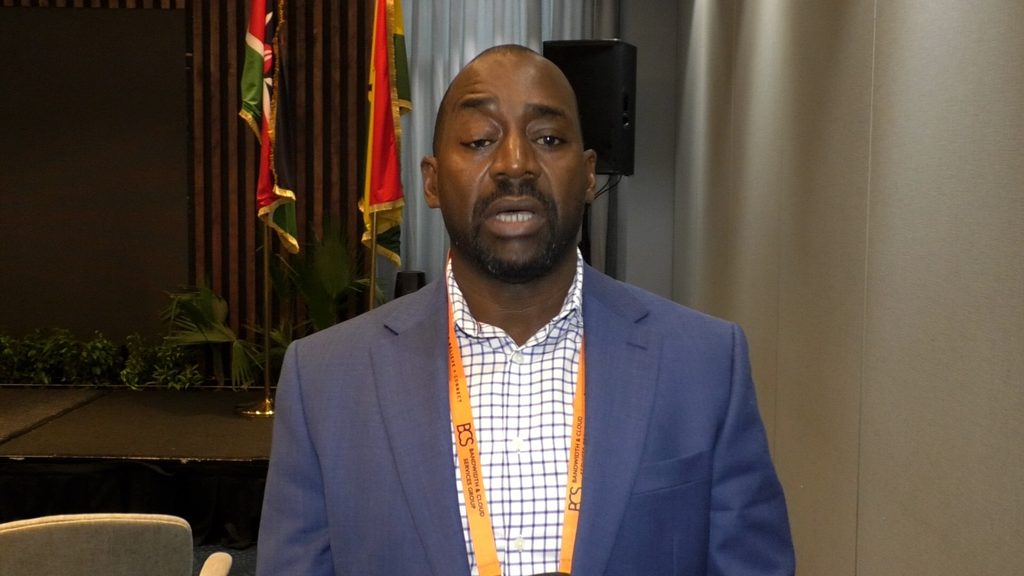
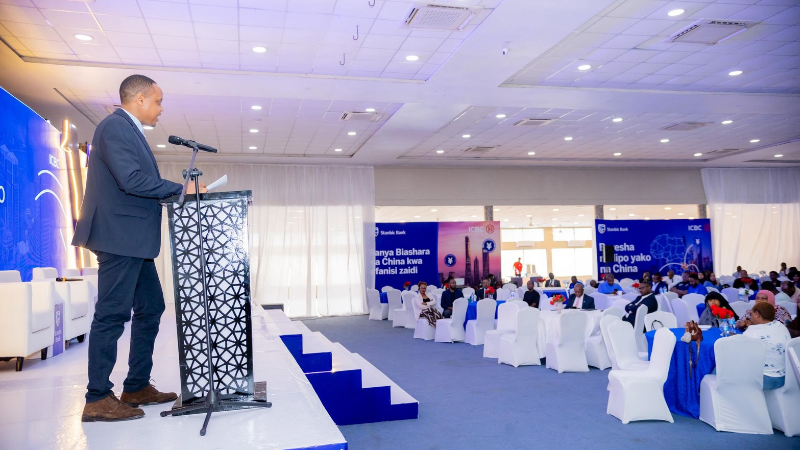
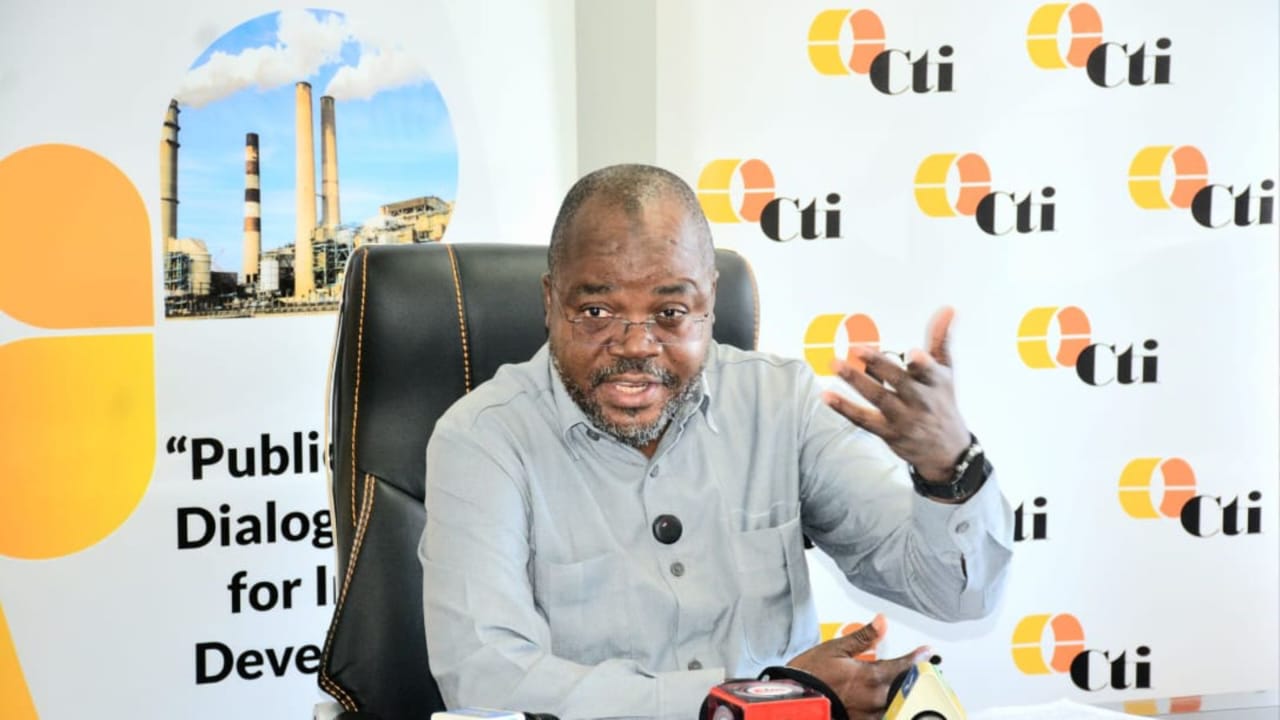
Nguvu Kamando, Director, Vodacom Business, said Africa must move beyond simply expanding connectivity and focus on using digital infrastructure, AI and enterprise solutions to drive economic growth. He said connectivity remains the foundation of Africa’s digital transformation, but the greater opportunity lies in what businesses and institutions can build on top of reliable connectivity.
“Connectivity is everything”, Kamando said. It is the foundation of the digital transformation we are looking for across Africa. But the real opportunity is what we build on top of it to drive Africa’s digital economy.”
He noted that cloud services, digital platforms, data-driven decision-making and AI-powered systems are increasingly essential for enterprises competing in domestic, regional and global markets.
Kamando said technology providers must move beyond connectivity and infrastructure to develop sector-specific solutions that address real needs in areas such as agriculture, health, mining and education, while harnessing artificial intelligence to improve operational efficiency, network performance, cybersecurity and decision-making in a responsible, secure and inclusive manner.
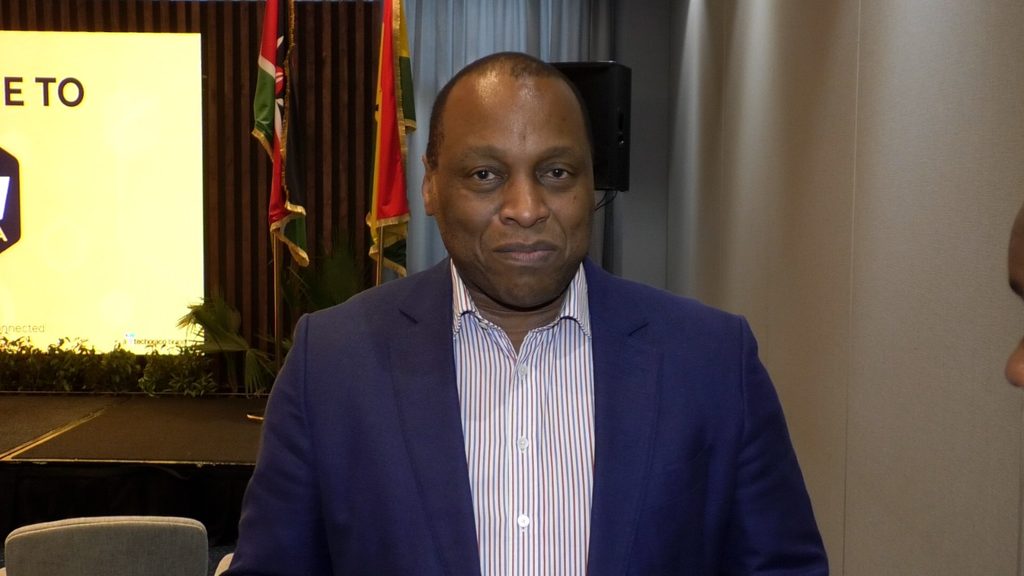
“Our role is beyond connectivity, beyond infrastructure, and as we at Vodacom say, ‘More than a Network,’ driving development and enabling the digital economy,” he said.
The discussion also focused on the need to extend digital infrastructure beyond traditional commercial centres.
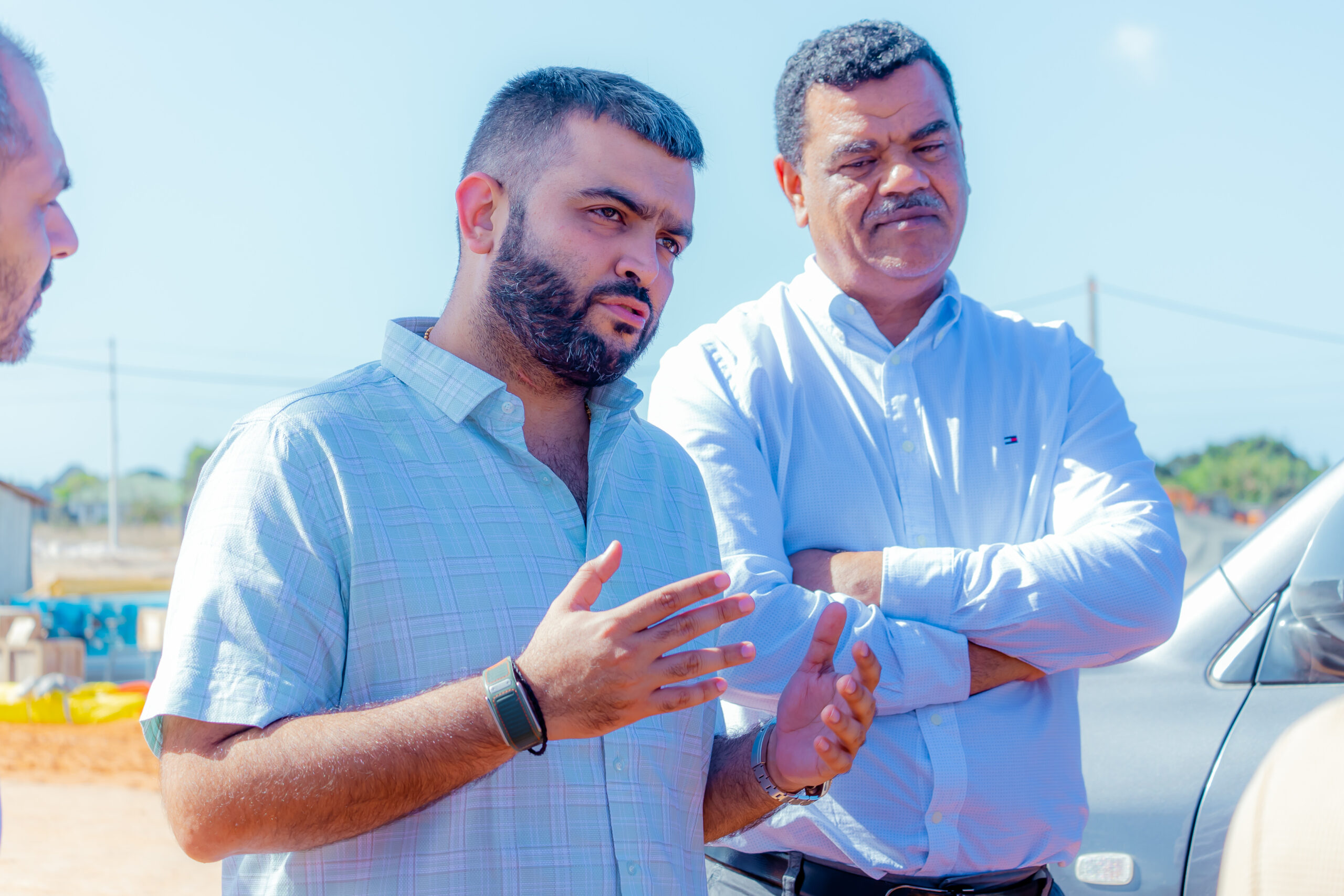
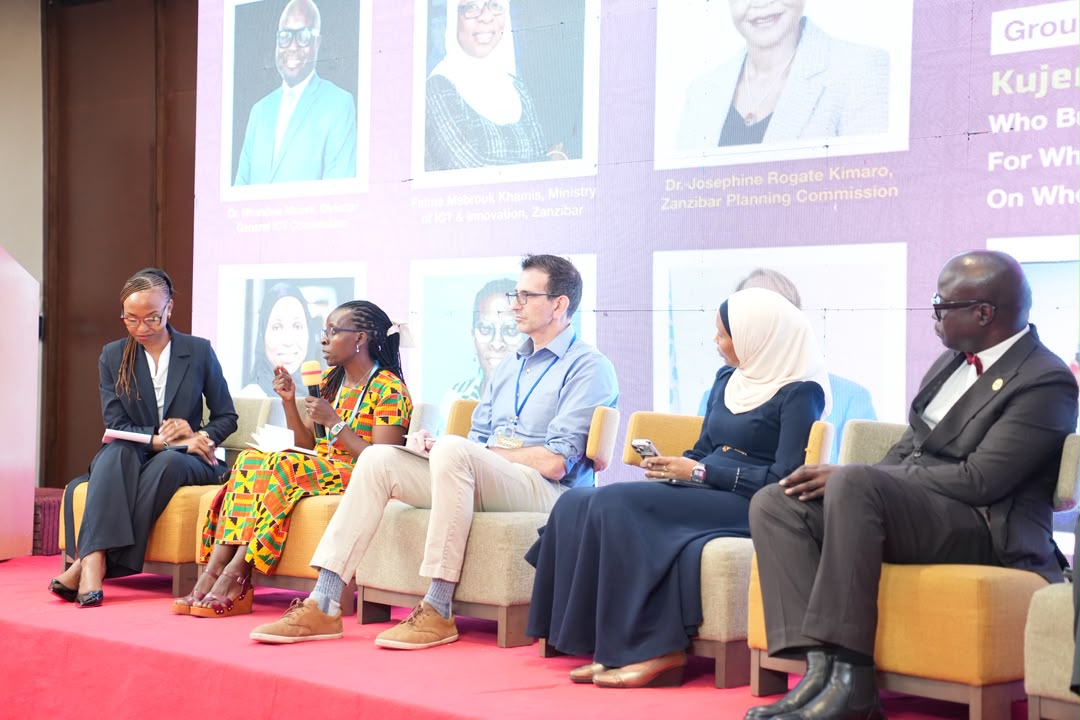
Aashiq Shariff, Fast Fibre Managing Director, said Africa’s digital economy is increasingly expanding into peri-urban and rural areas, creating a need for infrastructure investment that reaches more communities and businesses.
He noted that bringing fibre infrastructure closer to users can improve the performance of digital services, particularly as cloud services, data-intensive applications and 5G expand into more markets.
Shariff also called for an investment environment that provides greater regulatory clarity and reduces barriers to infrastructure development, including through stronger regulatory harmonisation and better alignment of tax regimes.
He said East Africa should increasingly be viewed as an interconnected digital market as businesses and digital services operate across national borders.
“The opportunity before East Africa is not simply to build more infrastructure. It is to build the right infrastructure, in the right places, supported by the right investment environment,” Shariff said.
From the network perspective, Andrew Lupembe, Network Director, Vodacom Tanzania, stressed that connectivity must be reliable and resilient as businesses, governments and consumers become increasingly dependent on digital services.
Lupembe said Vodacom Tanzania is in the second phase of its network revitalisation, focused on ensuring its network has the latest technology and delivers best-in-class quality of service.
He also noted that while broadband coverage in Tanzania has reached 94 percent, smartphone penetration stands at 44.7 percent, highlighting the importance of increasing smartphone adoption so more people can benefit from existing digital infrastructure.
Lupembe further highlighted data centres as a critical part of Africa’s digital future, noting that their expansion will require reliable and increasingly sustainable energy.
“Energy, fibre, mobile networks, data centres, subsea cables and cloud infrastructure must work together to deliver the reliability that modern businesses and societies require,” he said.
The discussions in Nairobi reinforced the importance of collaboration between governments and industry to create the infrastructure, investment and regulatory environment required to support Africa’s digital ambitions.
As the continent’s digital economy expands, connecting these different layers of infrastructure will be critical to enabling businesses to compete, improving access to services and turning growing demand for digital technologies into sustainable economic growth.