
Zanzibar has launched a space science innovation competition for children and young people aged seven to 24, in a move aimed at promoting scientific knowledge and developing skills that could prepare them for future careers in space technology.
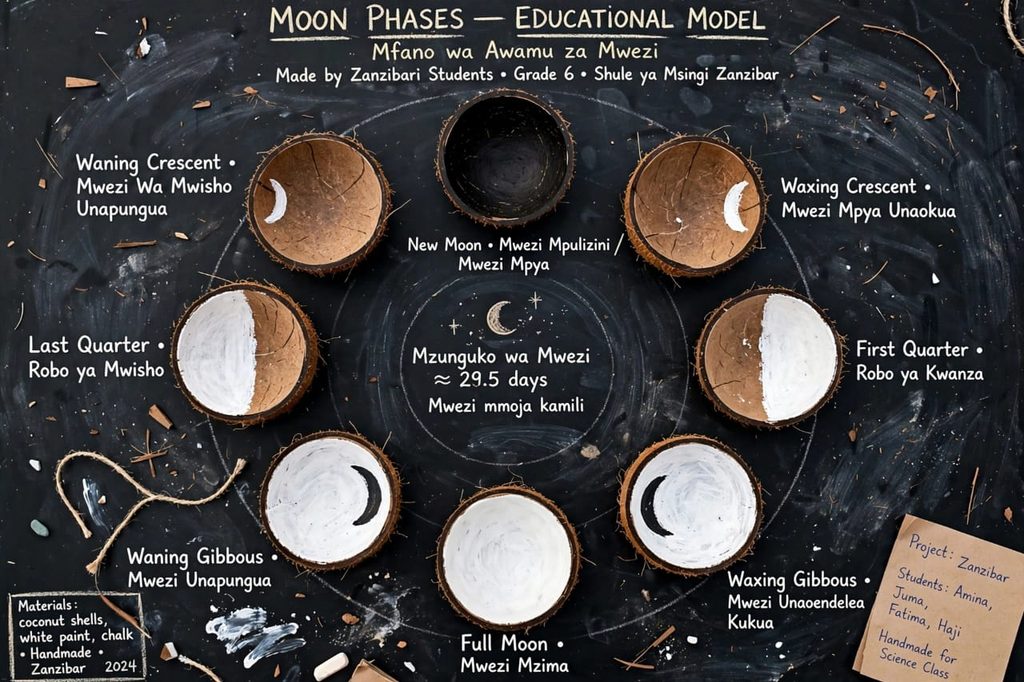
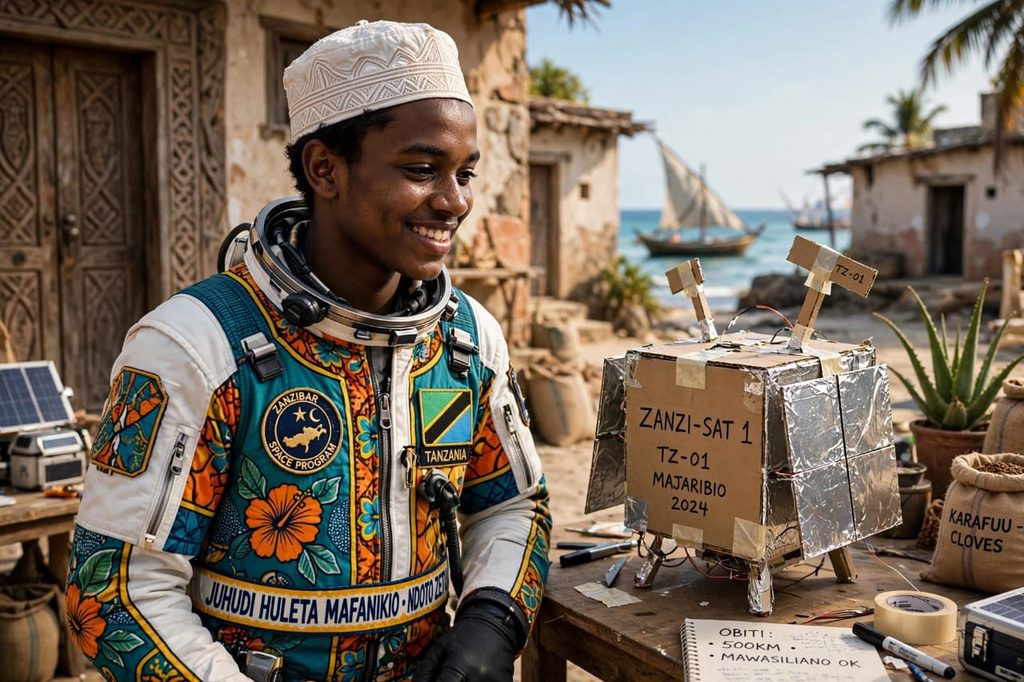
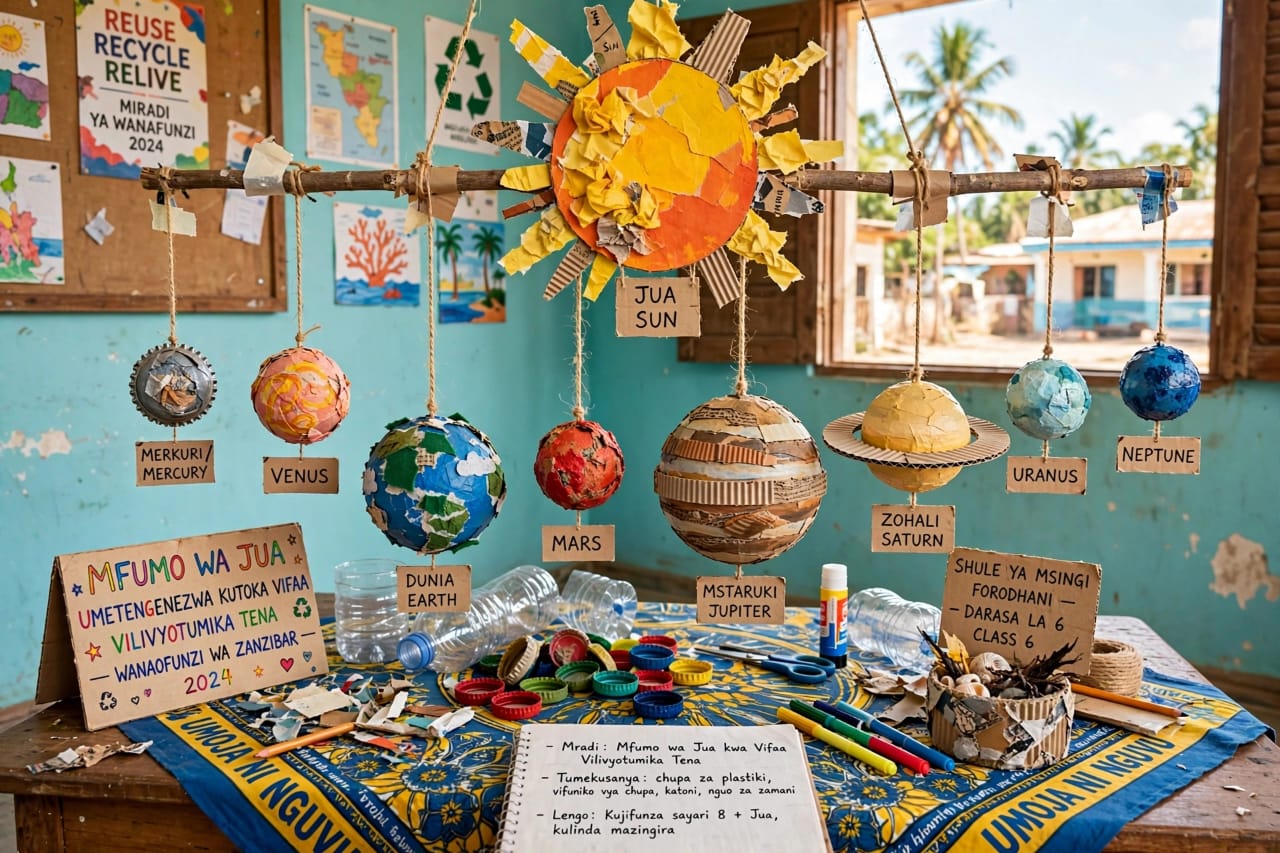
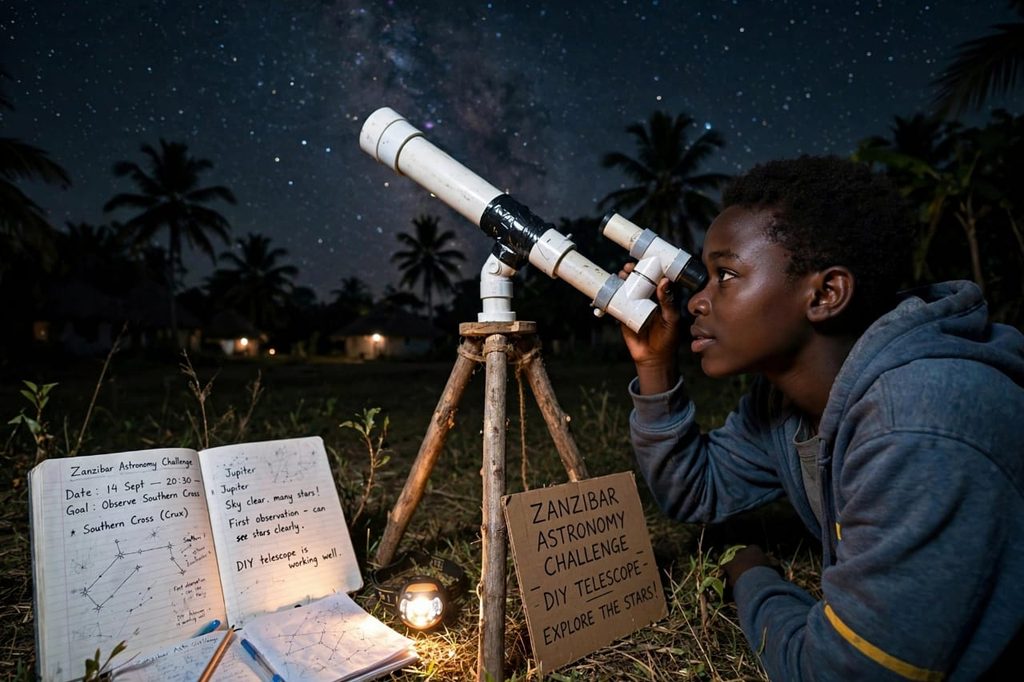
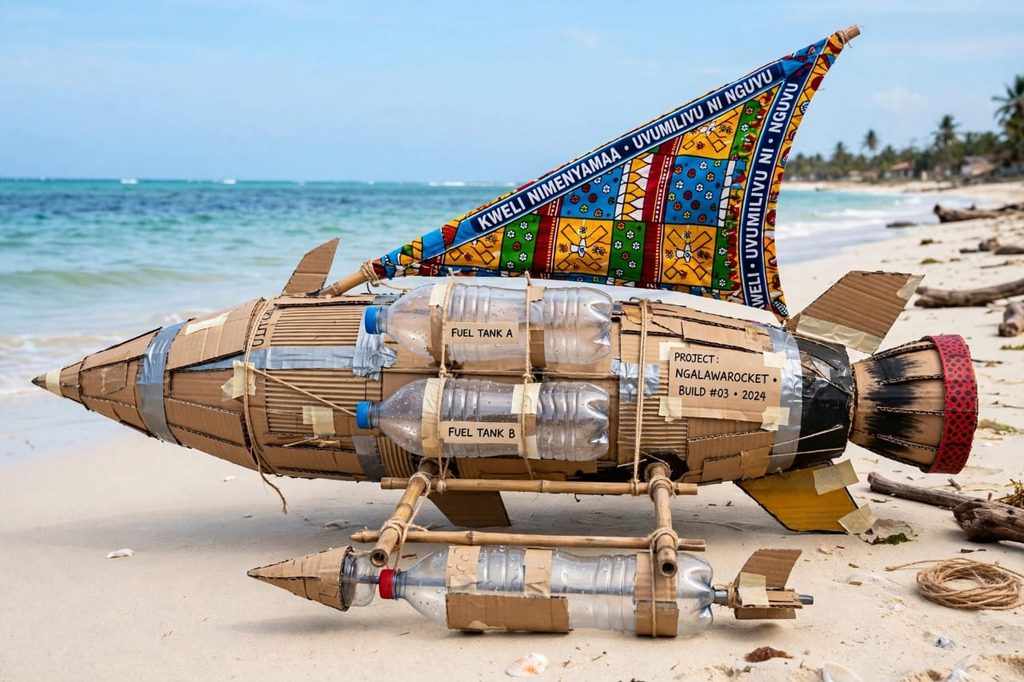
The competition, organised by Zanzibar Astronomy and Space Society (ZASS), will give participants an opportunity to create models of celestial objects and space systems, including planets, the solar system, galaxies, satellites and rockets.
Winners will receive cash prizes ranging from Sh300,000 to Sh1 million.
ZASS Director of Operations Malik Juma said the initiative was intended not only to recognise outstanding participants but also to build a foundation of scientific knowledge among children and young people and encourage them to pursue careers related to astronomy and space technology.
“One of the objectives is to inspire students and children to develop an interest in science, while also introducing them to scientific concepts through astronomy and space education,” Juma said.
He said the competition had been divided into three categories based on participants’ ages: junior, for children aged seven to 13; senior, for those aged 14 to 18; and advanced, for young people aged 19 to 24.
Participants will be required to develop models demonstrating their understanding of celestial objects and space systems, with the complexity of the projects assessed according to their age groups and abilities.
Juma said younger participants could use readily available materials such as cardboard boxes and paper, while older contestants would be expected to present more sophisticated projects featuring greater levels of detail, explanation and innovation.
The competition will allow participants to enter individually or in groups, with three winners selected from each category.
Submissions will be accepted from October 12 to October 18, 2026. Participants can submit videos of their projects through social media platforms or deliver their entries in person to the ZASS offices in Tunguu-Kibele, Zanzibar.
The initiative is expected to provide a platform for young innovators to explore scientific concepts through practical projects while encouraging greater interest in astronomy, space exploration and related technologies.